

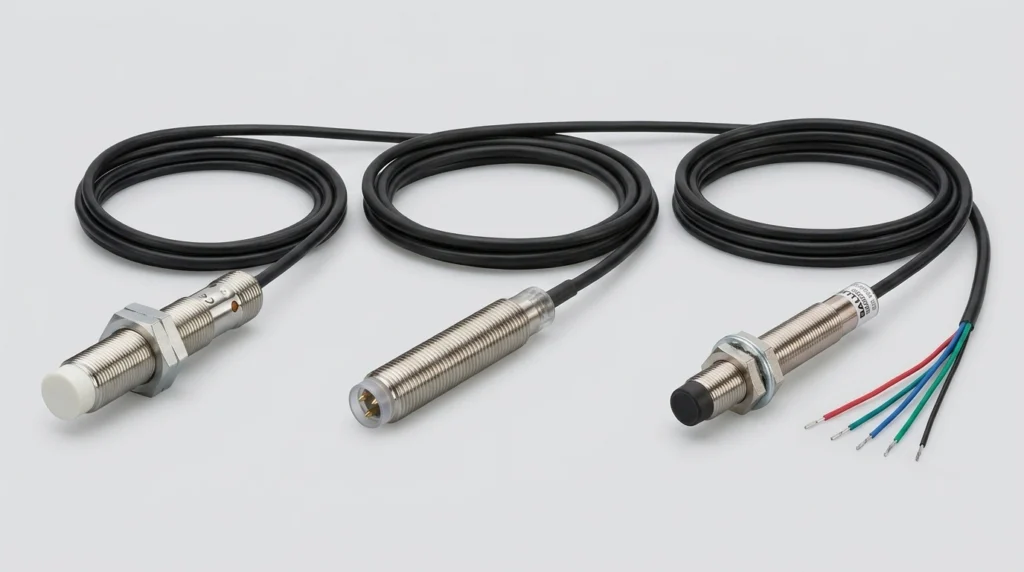
IFM Electronic Sensors: Product Guide for IFM204, BES013N, BES02F0 and IFM Sensor Cables
Master your setup with IFM sensors and cables. Decode the IFM204, clarify Balluff cross-references, check wiring steps, and configure IO-Link masters.
A VFD drive controls motor speed by adjusting the frequency and voltage sent to the motor, and that single function is why it shows up on so many plant floors. Instead of a motor running flat-out and getting throttled mechanically with a valve or damper, a VFD variable frequency drive lets the motor spin only as fast as the process actually needs. For a facility running pumps, fans, conveyors, or compressors around the clock, that difference shows up directly on the energy bill and on the maintenance schedule.
This guide breaks down what a VFD drive does, which specs actually matter when selecting one, and how the major brands – Allen-Bradley, Siemens, ABB, Schneider Electric, and Yaskawa – stack up against each other.
A VFD drive sits between the incoming power supply and the motor, converting fixed-frequency AC power into a variable output that can ramp a motor up or down on demand. That’s the whole mechanism – no moving parts, just power electronics doing the throttling that a valve or damper used to do mechanically.
Centrifugal loads like pumps and fans follow a physical relationship called the affinity laws: power consumption drops roughly with the cube of the speed reduction. A relatively small cut in motor speed produces a disproportionately large drop in energy use – VFDs consistently reduce electricity consumption by 20% to 50% in the right applications.
Beyond the utility bill, three other benefits tend to matter just as much on the floor:
Downtime is not an abstract line item. Recent industry data puts a hard number on what happens when a motor-driven system goes down unexpectedly, and the figures explain why plants treat drive selection and drive sourcing as a serious operational decision rather than a purchasing afterthought.
A 2025 survey of 3,600 senior decision-makers found 83 percent agree unplanned downtime costs a minimum of $10,000 per hour, with 76 percent estimating hourly costs of up to $500,000. The same research found that a full third of respondents had not carried out any motor or drive modernization project in the past two years – a gap between known risk and actual action. Separately, Aberdeen Research puts the average cost of downtime across manufacturing sectors at roughly $260,000 per hour.
A blown VFD is rarely the crisis – a slow replacement is. Component lead times for PLCs, VFDs, servo drives, and related automation parts stretched significantly through late 2025 and early 2026, and a stalled bottleneck line can cost far more in lost throughput than the price of the part itself.
Before brand preference enters the conversation, the technical specs narrow the field considerably. Skipping any of these is the most common reason a drive gets replaced within a year instead of lasting a decade.
Each brand builds its VFD drives around a specific automation ecosystem. The best choice usually isn’t the “best drive” in isolation – it’s the drive that talks most naturally to the PLCs, HMIs, and software already installed on the floor.
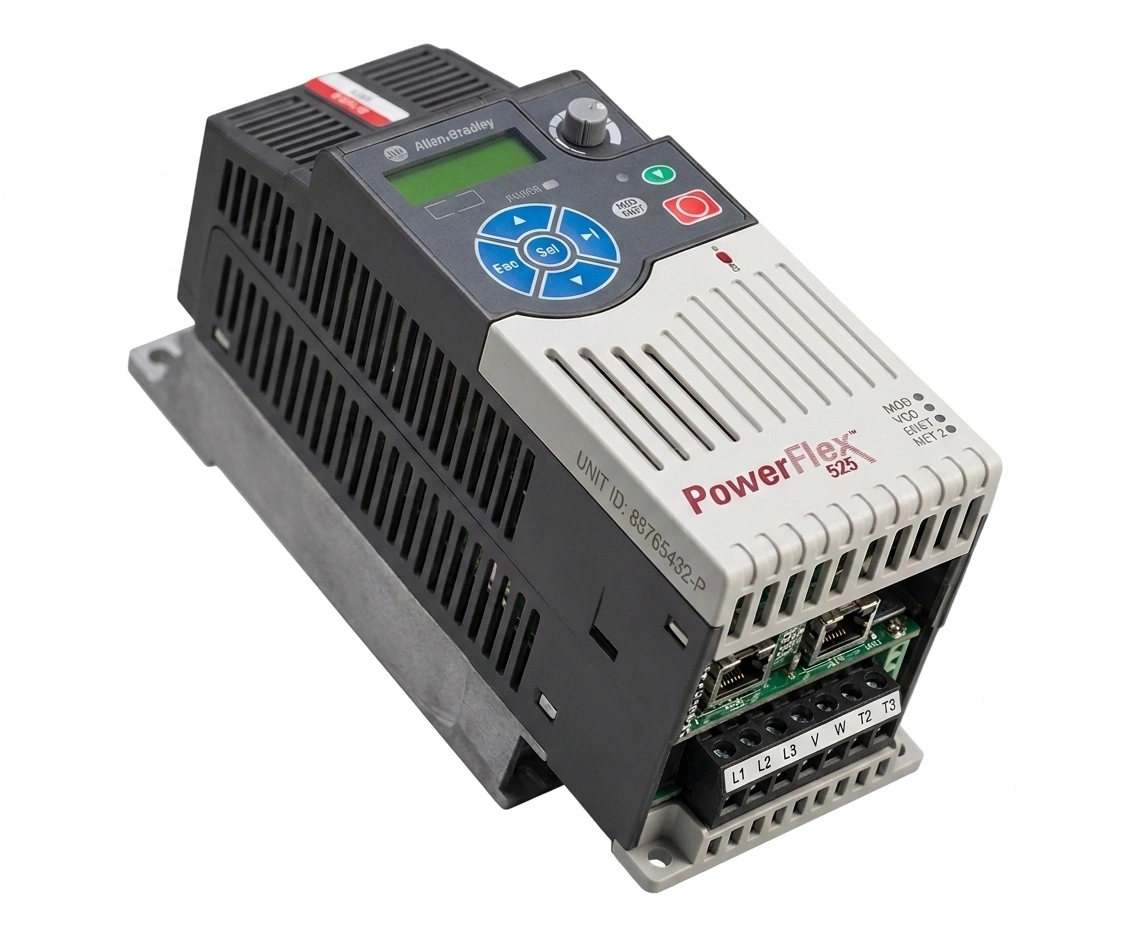
Allen Bradley VFD drives span the PowerFlex 4, 40, 400, 525, and 755 families. Their strongest differentiator is deep integration with Studio 5000 and ControlLogix over EtherNet/IP. Plants standardized on Rockwell hardware tend to see the shortest commissioning times with Allen Bradley VFD drives specifically because controller, drive, and HMI already share a common software environment.
Siemens VFD drives – the G120, G120C, and S120 families – are built around TIA Portal, with Safety Integrated functionality rated SIL2/PLe available on select models. For machine builders needing safe torque-off or safe speed monitoring built into the drive itself, this is a meaningful advantage. Siemens VFD drives fit most naturally into SIMATIC-based plants.
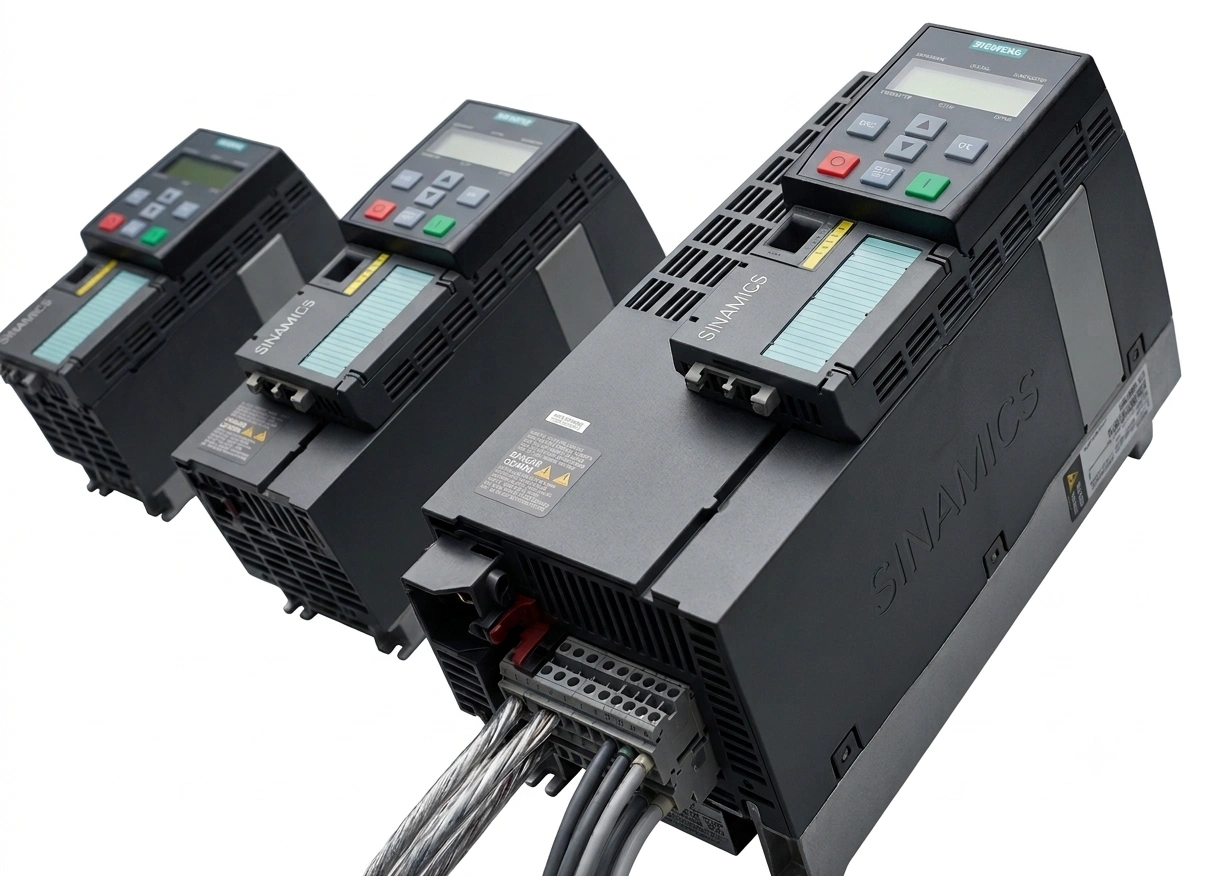
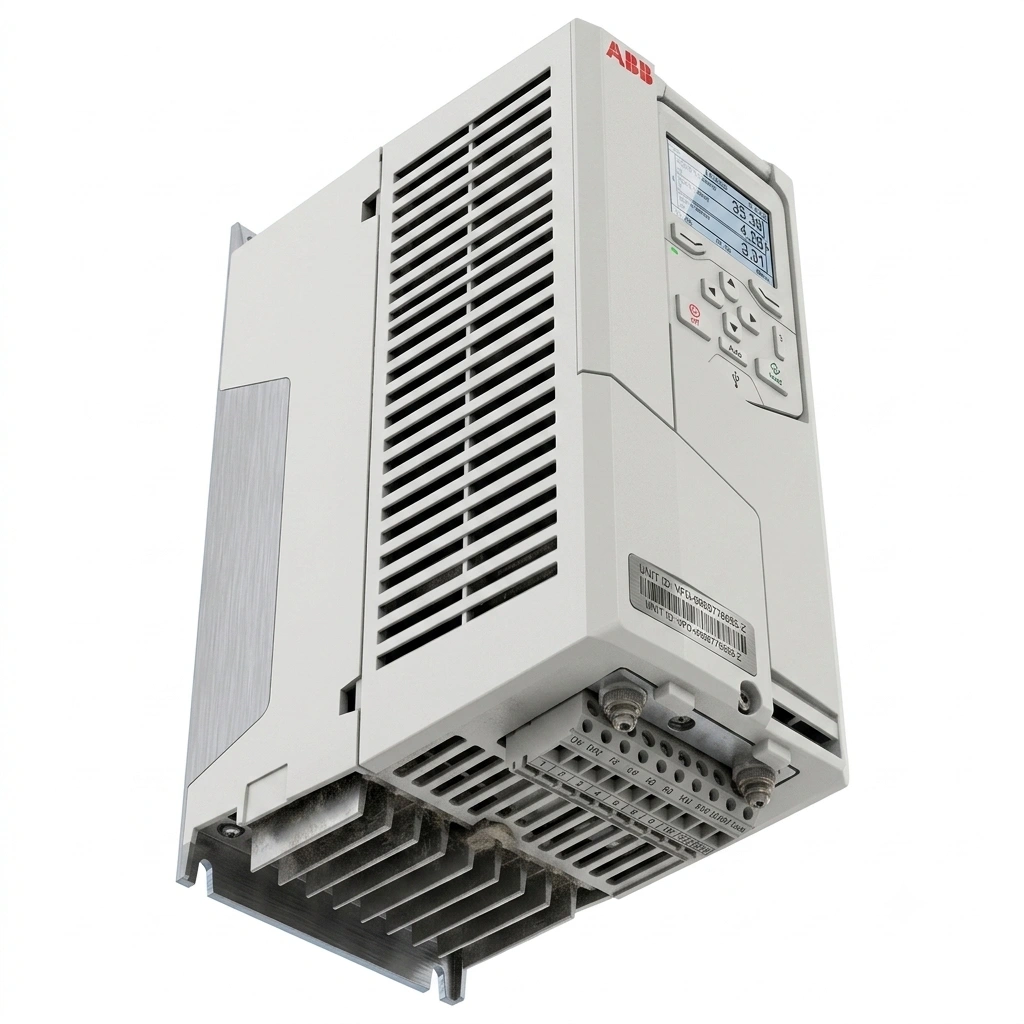
ABB VFD drives split into general-purpose (ACH580) and industrial-duty (ACS880) lines. What sets ABB VFD models apart is protocol flexibility – many can run PROFIBUS, Modbus, and EtherNet/IP without swapping hardware. That makes ABB VFD drives a workable, brand-agnostic choice for facilities running mixed automation vendors.
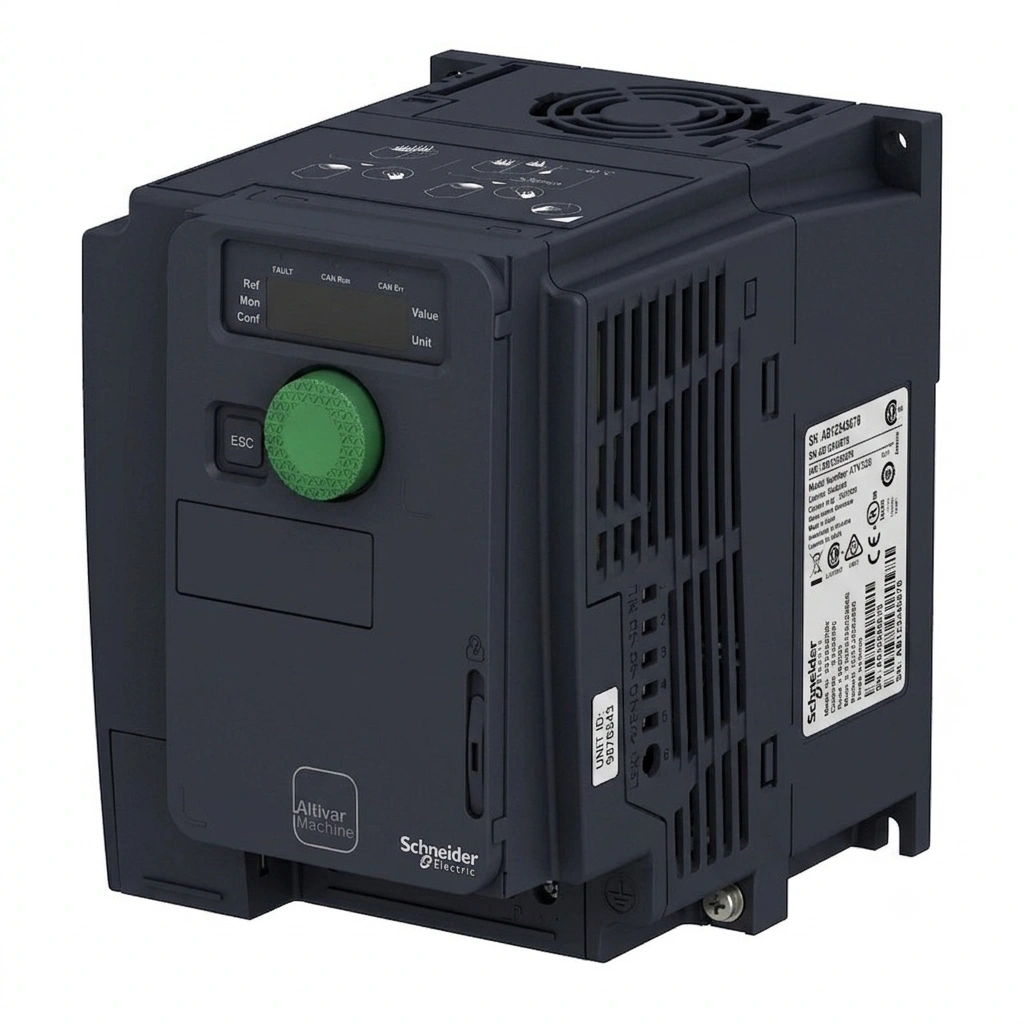
Schneider Electric VFD offerings run from the compact ATV12 and ATV320 up through the ATV630 and ATV930. The ATV320’s small footprint suits OEM machine builders with tight panel space, while the ATV930 integrates with EcoStruxure Plant. Facilities already running Modicon PLCs typically get the smoothest experience.
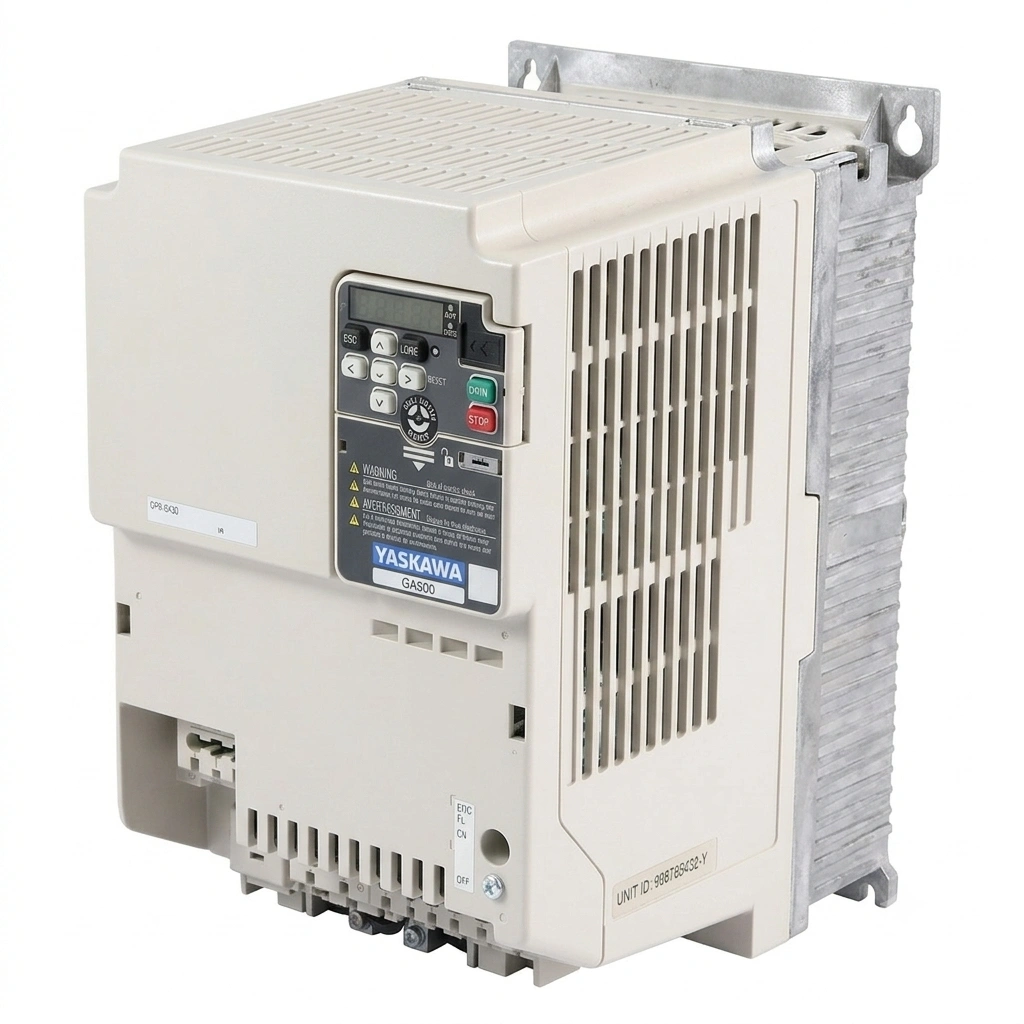
A Yaskawa VFD isn’t tied to one of the four major automation ecosystems, which is exactly why it appears so often in mixed-vendor facilities. The GA500, GA700, and A1000 families include a built-in iQ-Pump PID function, handling pump and fan control loops without a separate PID loop programmed into the PLC – a common sight in HVAC and water treatment applications.
Not every VFD drive controls a motor the same way, and the wrong control method either overspends on unused features or underdelivers on torque.
| Control type | Best suited for | Feedback device needed |
| V/Hz (volts-per-hertz) | Basic pumps and fans | None |
| Vector (sensorless) | Conveyors, mixers needing better low-speed torque | None |
| Closed-loop vector | Cranes, hoists, precision winding | Encoder |
V/Hz keeps a fixed voltage-to-frequency ratio and works fine where torque precision at low speed isn’t critical. Vector control estimates motor current and flux internally, delivering noticeably better low-speed torque without a physical sensor. Closed-loop vector adds an encoder for direct feedback, giving full torque even at zero speed – the standard choice anywhere a load can’t be allowed to slip.
Most VFD drives are rated for full output only up to about 3,300 feet (1,000 meters) above sea level. Beyond that elevation, output current typically needs to be derated by roughly 1% for every additional 330 feet – a drive installed at 6,000 feet in Colorado or Utah may need to be a full frame size larger than the same job at sea level.
Ambient temperature works the same way. A drive rated for 40°C ambient needs current derating if it’s mounted in a poorly ventilated cabinet running hotter than that, and this is one of the more common reasons drives trip on overtemperature faults during the first hot season after installation.
A handful of errors show up repeatedly on service calls, and nearly all of them are avoidable at the quoting stage.
Pro tip: cross-check the driven load’s duty cycle against the drive’s overload rating before ordering, not after the first trip.
| Application | Recommended brand/series |
| PLC-centric plant on Rockwell hardware | Allen-Bradley PowerFlex 525/755 |
| SIMATIC-based facility needing integrated safety | Siemens SINAMICS G120/S120 |
| Mixed-vendor plant, multi-protocol needs | ABB ACH580/ACS880 |
| OEM machine building, tight panel space | Schneider Altivar ATV320 |
| HVAC and water treatment pump/fan control | Yaskawa GA500/GA700 |
| Heavy-duty conveyors and mixers | Any brand rated 150% overload, sized for constant torque |
Matching the exact replacement – correct horsepower, voltage class, overload rating, and communication card – under time pressure is where most sourcing headaches start, and the data above shows how expensive a slow replacement can get. Zancot carries genuine Allen-Bradley, Siemens, ABB, and Schneider Electric drives across the model families covered in this guide, with the documentation needed to confirm compatibility before ordering.
Search by exact model number for a fast cross-reference, or reach out with the part number of the unit being replaced for availability and lead-time confirmation
What’s the difference between a VFD and a soft starter?
A soft starter only controls the motor’s start and stop ramp; it can’t vary speed continuously during operation. A VFD variable frequency drive controls speed the entire time the motor runs, not just at startup.
Can a VFD drive from one brand replace a failed unit from another brand?
Sometimes, but not automatically. Voltage class, overload rating, and control type need to match, and the wiring and parameter set usually need re-commissioning even when the physical fit works.
How long does a typical VFD drive last?
Most industrial VFD drives are rated for 10+ years of service under normal conditions, though harsh ambient heat, poor ventilation, or chronic undersizing can shorten that significantly.
Is a heavy-duty rated drive always the safer choice?
Not necessarily. A heavy-duty (150% overload) drive costs more and is often unnecessary for variable-torque loads like fans and pumps, where a normal-duty (110%) drive is correctly sized and more cost-effective.
Master your setup with IFM sensors and cables. Decode the IFM204, clarify Balluff cross-references, check wiring steps, and configure IO-Link masters.
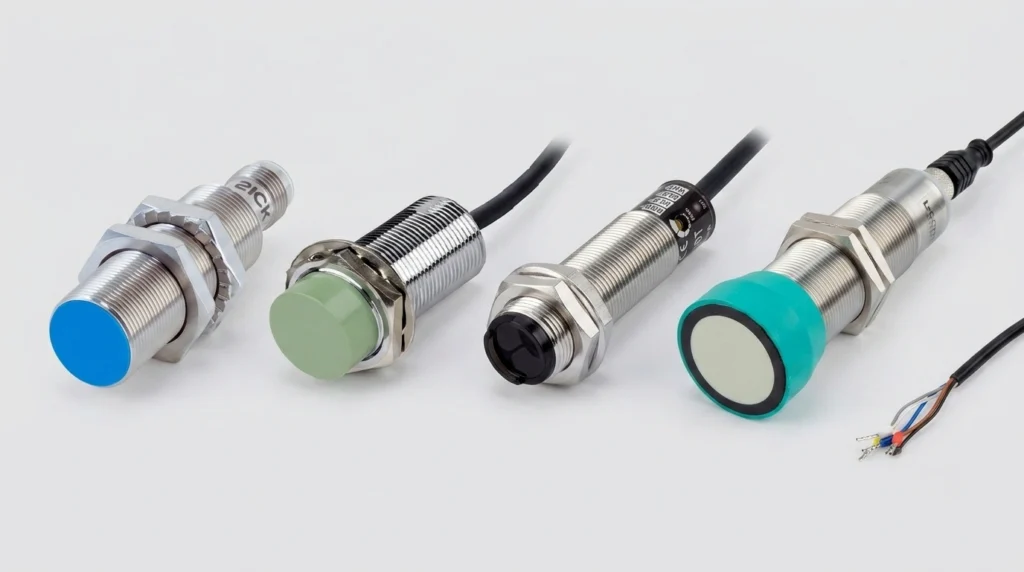
A practical industrial sensors guide covering proximity, photoelectric, ultrasonic, pressure and flow types, wiring, IP ratings, and top brands.
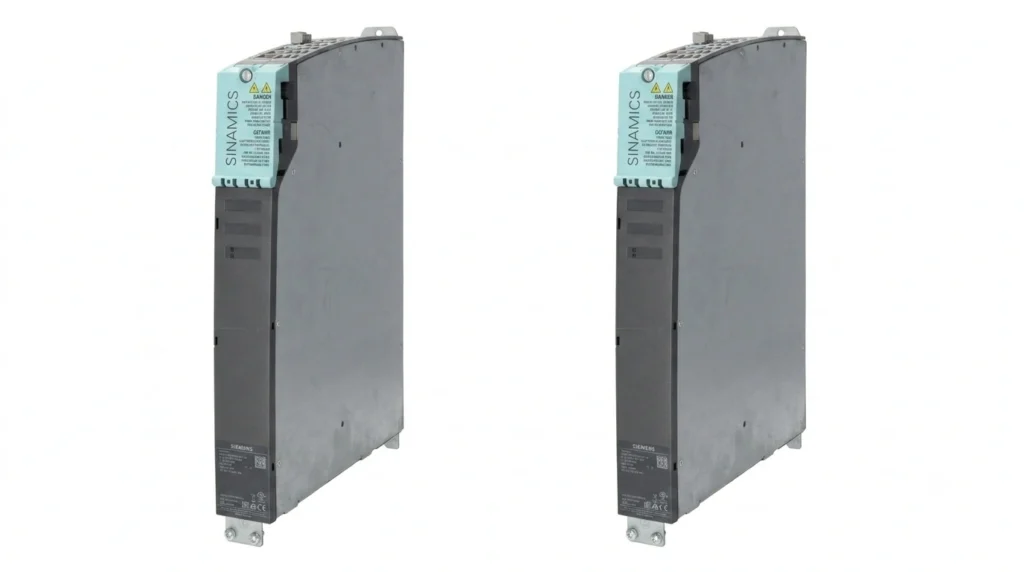
Navigate your Siemens VFD replacements. Decode SINAMICS S120 & G120 modules, configure software, and troubleshoot legacy MICROMASTER 440 fault codes.