

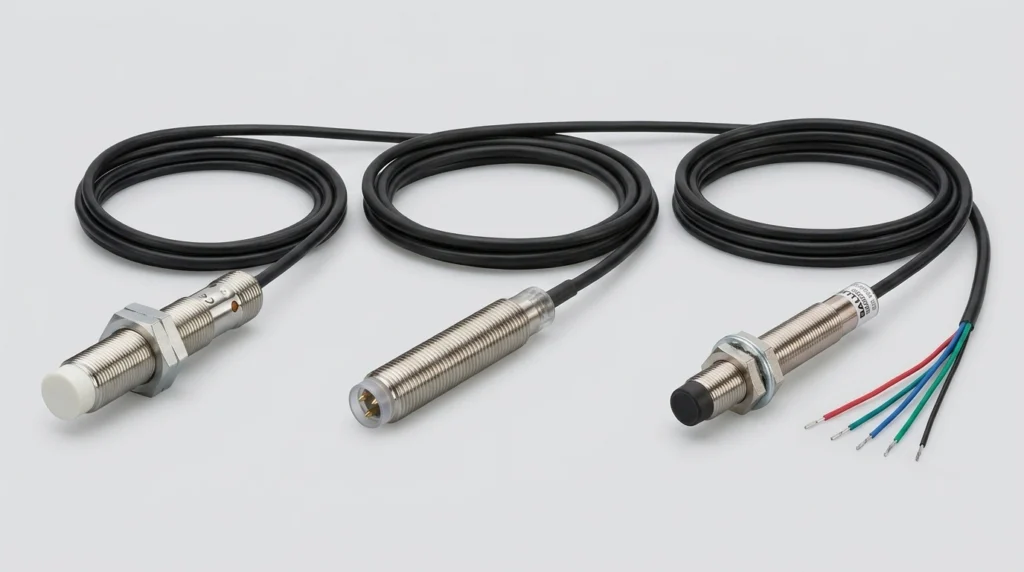
IFM Electronic Sensors: Product Guide for IFM204, BES013N, BES02F0 and IFM Sensor Cables
Master your setup with IFM sensors and cables. Decode the IFM204, clarify Balluff cross-references, check wiring steps, and configure IO-Link masters.
Swapping in the wrong type of industrial sensors can quietly cause more downtime than the original failure did. A diffuse photoelectric sensor installed where a through-beam pair used to sit will misread reflective packaging. A capacitive unit dropped into a spot built for inductive detection will trigger on condensation instead of metal. None of these mistakes show up immediately. They show up three weeks later as intermittent faults that a maintenance team spends half a shift chasing.
The U.S. industrial sensors market was valued at roughly $17.66 billion in 2025 and is projected to climb toward $18.89 billion in 2026, according to Mordor Intelligence – a growth curve driven largely by plants replacing analog switches with diagnostic-capable, IO-Link-ready sensors during routine maintenance cycles rather than full retrofits.
This guide walks through the main categories of industrial sensors used across automation lines, what separates one type from another, and where brands like IFM electronic actually earn their reputation versus where any competent supplier will do the job. Anyone specifying industrial automation sensors for a new build faces the same questions, just without the pressure of a stopped line.
Every family of industrial sensors solves a slightly different detection problem, and the differences matter more than the datasheet summary suggests. A false trigger costs a line stoppage. A missed detection costs a jammed conveyor or, worse, a safety incident. Premature failure from the wrong IP rating costs a callback visit that could have been avoided with a five-minute spec check.
The upgrade question comes up constantly during a like-for-like replacement. Should the same NPN inductive sensor go back in, or is this the moment to move to a PNP unit with IO-Link diagnostics? There isn’t a single right answer – it depends on the control system, the panel wiring, and how much visibility the maintenance team wants into sensor health going forward.
Inductive sensors detect metal targets by generating an electromagnetic field and measuring how that field distorts when a conductive object enters it. No contact is needed, which is exactly why they dominate applications like end-of-travel detection on cylinders, gear tooth counting, and part-present checks on metal components.
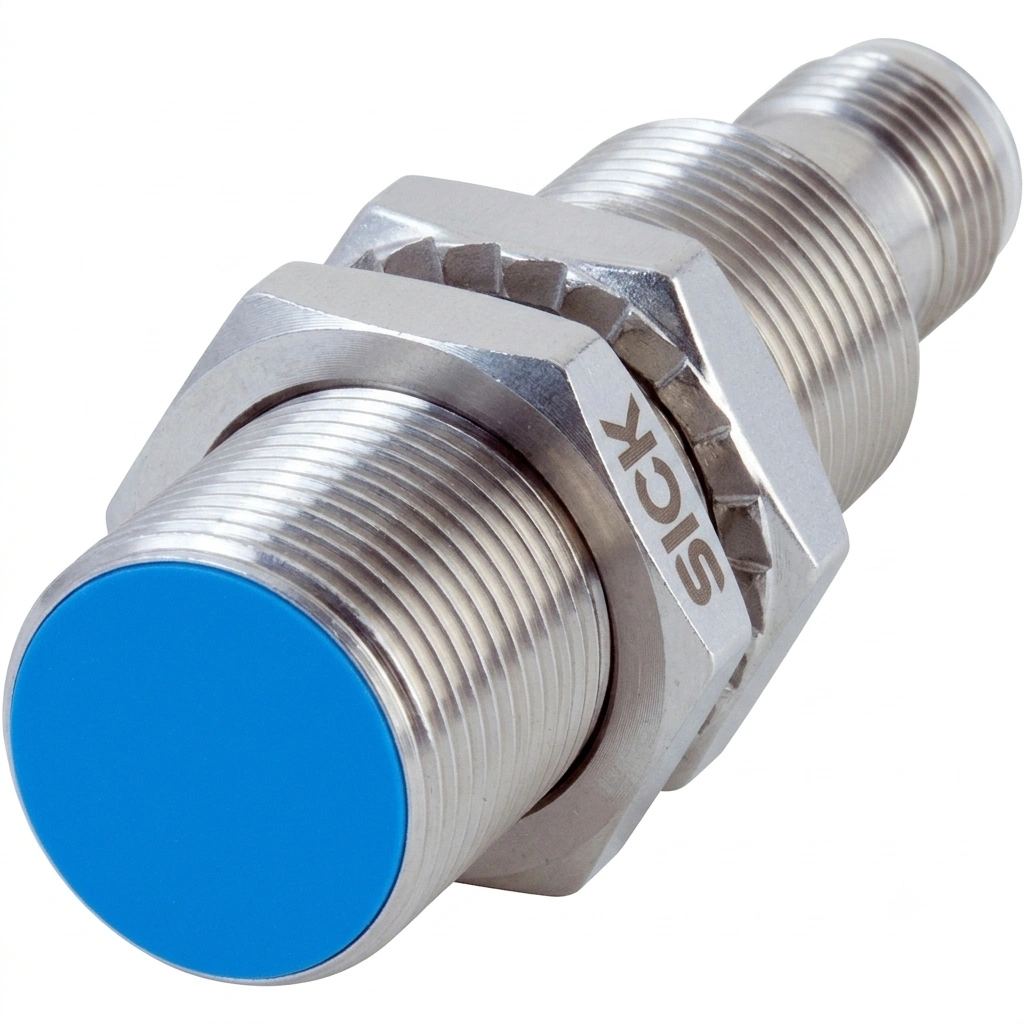
Target color and surface finish don’t matter to an inductive sensor the way they do to a photoelectric one. What does matter is target material – ferrous metals get detected at a longer range than non-ferrous ones like aluminum or brass, sometimes by a factor of two or three depending on the sensor’s construction.
| Attribute | Typical Value |
| Sensing range | 2–20 mm |
| Output type | NPN or PNP |
| Protection rating | IP67 / IP68 common |
| Form factor | M8, M12, M18, M30 cylindrical |
| Target dependency | Metal only, no color sensitivity |
| Common brands | IFM, Pepperl+Fuchs, Sick |
Machine builders lean on inductive proximity for anything involving moving metal parts in dirty or oily environments – hydraulic cylinders, stamping presses, and robotic end-of-arm tooling all rely on the sealed, contactless design. Inductive proximity remains the single most requested category of industrial sensors on machine-builder bills of material for exactly this reason.
Capacitive sensors work on a similar field-distortion principle, but they respond to a much wider range of materials – plastic, glass, liquid, wood, and granular products. That broader sensitivity is the whole point, and it’s also the trade-off. A capacitive sensor can be tuned to see through a plastic tank wall and detect the liquid level inside, something an inductive unit simply cannot do.
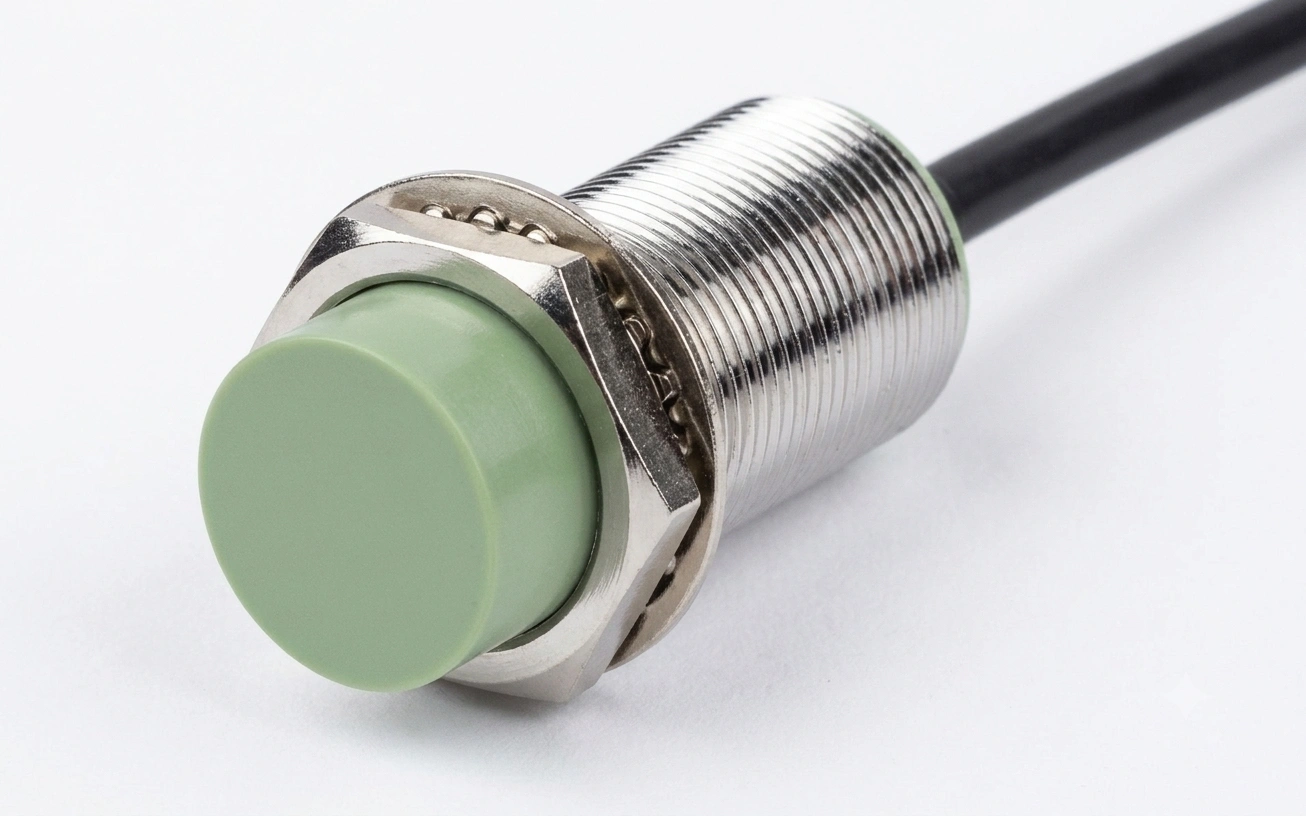
The catch is sensitivity to humidity and surface contamination. A capacitive sensor mounted in a high-moisture environment without proper sensitivity adjustment will drift and false-trigger far more than an inductive unit would in the same spot.
| Attribute | Typical Value |
| Sensing range | Longer than inductive, material-dependent |
| Output type | NPN or PNP |
| Protection rating | IP67 common |
| Target dependency | Detects most materials, including through walls |
| Common brands | IFM, Pepperl+Fuchs |
Level detection in tanks, hoppers, and silos is the classic use case. Bulk material handling – flour, plastic pellets, sand – also relies heavily on this category of industrial sensors where an optical beam would struggle with dust.
Photoelectric sensors detect objects by interrupting or reflecting a light beam, and the mode selected changes the sensor’s behavior more than any other single spec on the datasheet.
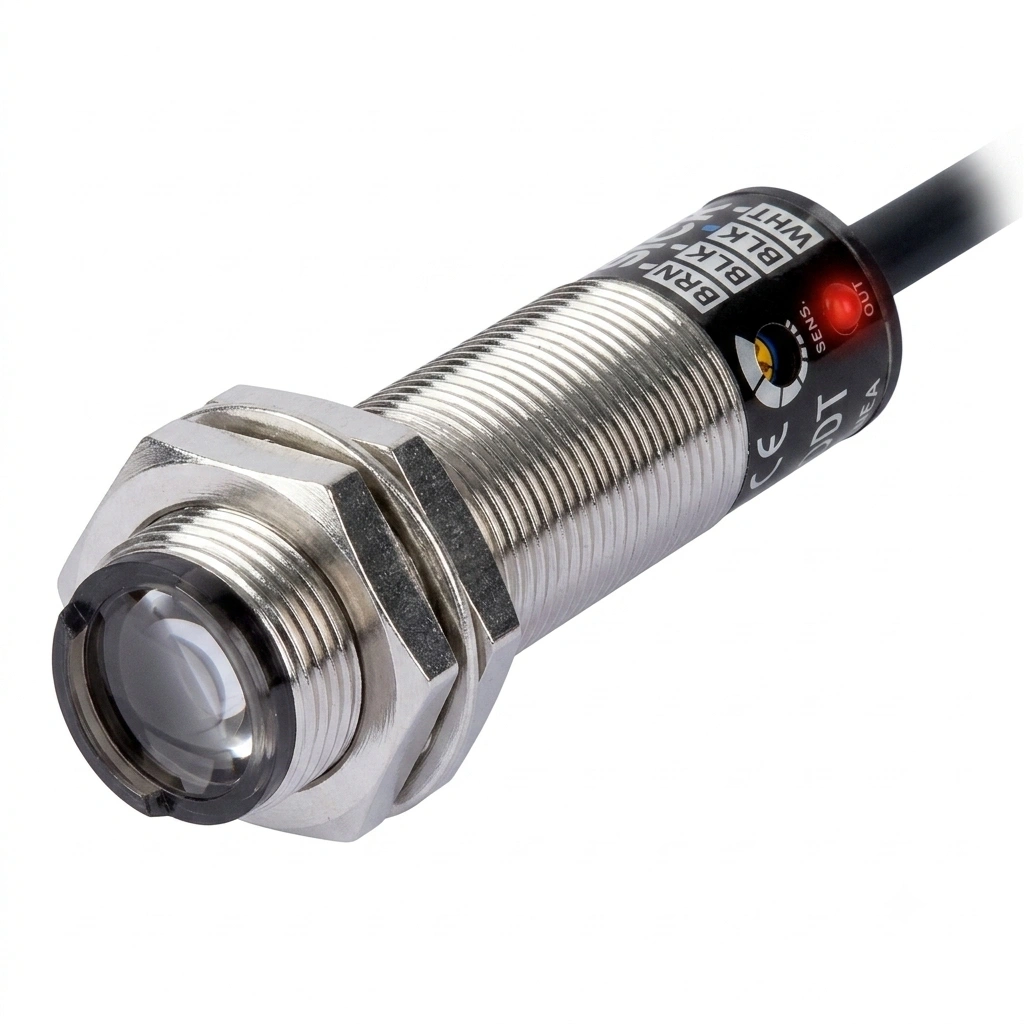
Through-beam pairs – a separate emitter and receiver facing each other – offer the longest range and the most reliable detection, since the beam only has to travel one way before being blocked. Retroreflective sensors combine emitter and receiver in a single housing and bounce the beam off a reflector, trading some range and reliability for simpler wiring. Diffuse sensors skip the reflector entirely and detect the light bounced directly off the target, which is convenient for installation but shortens range and makes performance more sensitive to target color and surface finish.
| Mode | Range | Reliability | Wiring Complexity |
| Through-beam | Longest | Highest | Two devices to wire |
| Retroreflective | Medium | Good | Single device, needs reflector |
| Diffuse | Shortest | Moderate | Single device, no reflector |
Output can be a simple NPN/PNP switch or an analog signal for distance measurement. Sick built much of its early reputation on photoelectric and safety sensing, and it remains a common choice on automotive lines. IFM, Pepperl+Fuchs, and Banner round out the field with strong general-purpose industrial sensors that cover most photoelectric needs outside heavy safety applications.
Ultrasonic sensors send out a high-frequency sound pulse and measure the time it takes to bounce back, which makes them indifferent to target color, transparency, and surface finish – problems that plague photoelectric sensors. Dust and light steam barely affect them either, which is exactly why they show up so often in level measurement applications where photoelectric sensors would be blinded.
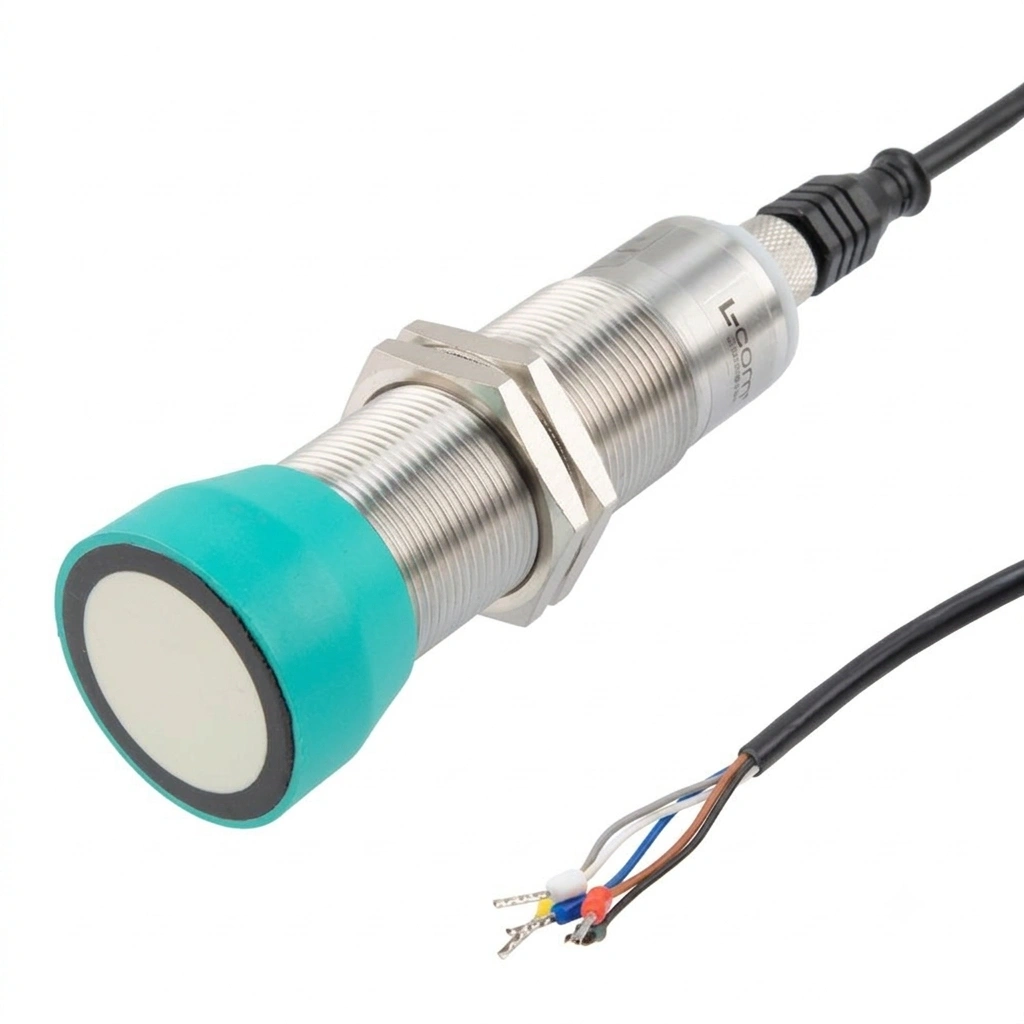
The trade-off is speed. Sound travels far slower than light, so ultrasonic sensors respond more slowly than photoelectric equivalents. For a fast-moving conveyor counting small parts, that lag matters. For a tank level check that updates once a second, it doesn’t.
IFM and Pepperl+Fuchs both carry solid ultrasonic ranges built for distance sensing and continuous level measurement in bins, hoppers, and open tanks – a smaller but reliable slice of the wider industrial sensors market.
Process industries run on pressure and flow data, and the sensors generating that data have moved well past the simple switch-or-nothing output of a decade ago. Pressure sensors typically output either a 4–20 mA current loop or a 0–10 V analog signal, feeding directly into a PLC’s analog input card. Flow sensors more commonly output a pulse or frequency signal proportional to flow rate.
IO-Link versions of both are becoming the default choice on new installations rather than the exception, since a single IO-Link cable can carry the process value alongside diagnostic data like internal temperature, operating hours, and fault codes – information a standard analog signal simply can’t transmit.
Endress+Hauser is well known for high-accuracy process instrumentation, while IFM covers a broad range of pressure and flow industrial sensors aimed at machine-level and skid applications where cost and IO-Link integration matter as much as raw accuracy.
IO-Link is a point-to-point communication protocol that runs over standard three-wire sensor cabling, and it changes what a sensor can report back to the control system – an upgrade path that applies across nearly every category of industrial sensors covered above. A conventional switch only tells the PLC whether a target is present or not. An IO-Link version of the same physical sensor can additionally report signal strength, internal temperature, switch-point drift, and operating hour counters – all through the same cable that already carries the switching signal.
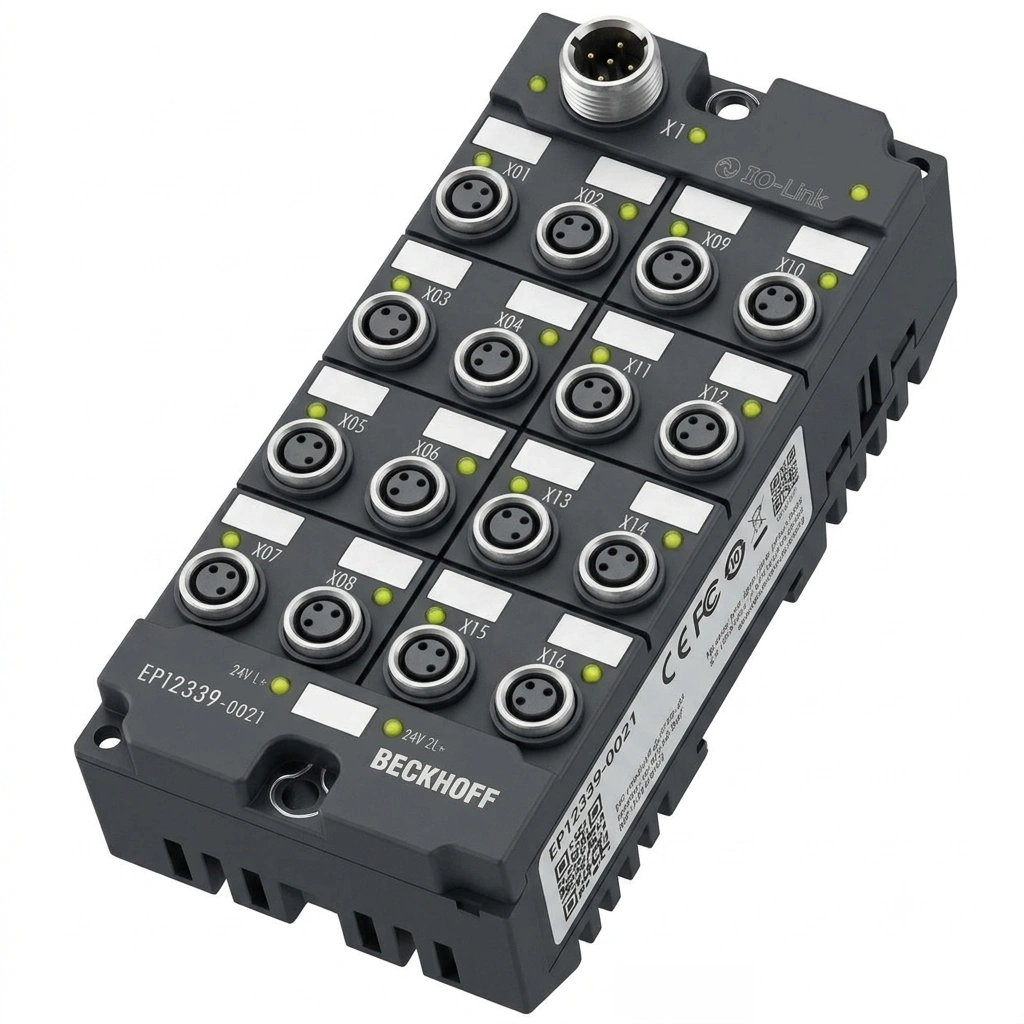
That diagnostic layer is what allows predictive maintenance rather than reactive maintenance. A sensor reporting a gradually weakening signal can be flagged and scheduled for replacement before it actually fails and stops the line. More on this specific technology, including compatible parts, is covered on the IFM electronic products page, and the official IO-Link community resource is worth a look for anyone specifying a new control architecture.
Getting the output type wrong is one of the more common mistakes in sensor replacement, and it’s an easy one to make since NPN and PNP sensors often look physically identical.
Mixing these up doesn’t always destroy the sensor, but it does mean the PLC input card sees the opposite logic state from what’s expected, which looks exactly like a sensor fault during troubleshooting.
IP ratings tell a very specific story about what a sensor can survive, and the two digits are not a simple hierarchy where higher always means better protection. The first digit covers solid particle ingress, the second covers water.
IP67 certifies protection against temporary submersion in water – useful for outdoor exposure to rain or occasional flooding, but not built for repeated pressure washing. IP69K, developed originally under the German DIN 40050-9 standard and later folded into broader IEC testing, certifies resistance to close-range, high-pressure, high-temperature water jets – the kind of aggressive cleaning cycle found in food and beverage plants, pharmaceutical production, and any facility running daily washdown protocols.
A sensor rated only IP67 installed on a line that gets hosed down with a 100-bar washer at 80°C will fail well before its expected service life. That single spec line is worth checking before ordering a replacement, not after the third premature failure in six months – and it’s one of the fastest ways to tell serious industrial sensors apart from bargain-bin equivalents.
Three brands come up repeatedly across almost every category above, and each has carved out a slightly different strength.
IFM built one of the broadest IO-Link ecosystems in the industry, and its documentation makes cross-referencing a replacement part against an existing installation reasonably painless. The catalog spans inductive, capacitive, photoelectric, ultrasonic, pressure, and flow sensors, which makes IFM sensors a practical single-source option for plants standardizing on one diagnostic platform. The IFM electronic sensors range on Zancot covers most of what’s referenced in this guide.
SICK carries a premium reputation in photoelectric and safety sensing specifically, and it’s a common sight on automotive assembly lines where beam reliability and safety certification carry real weight. The SICK sensor lineup reflects that focus.
Pepperl+Fuchs stands out for ATEX and explosion-proof variants, making it the default reference point for hazardous-area applications – chemical processing, oil and gas, and grain handling facilities where a standard sensor housing simply isn’t rated for the environment.
| Application | Recommended Sensor Type | Suggested Brand |
| Metal part detection, cylinders | Inductive proximity | IFM, Pepperl+Fuchs |
| Liquid or plastic level detection | Capacitive proximity | IFM, Pepperl+Fuchs |
| Long-range object detection, automotive lines | Through-beam photoelectric | SICK |
| Dusty or vapor-heavy tank monitoring | Ultrasonic | IFM, Pepperl+Fuchs |
| Process pressure with diagnostics | IO-Link pressure sensor | IFM, Endress+Hauser |
| Hazardous or explosive atmospheres | ATEX-rated proximity or photoelectric | Pepperl+Fuchs |
Reading a failed sensor’s label off the front and reordering the exact same part number is often the right move – but not always. The categories above cover the decision points that separate a straightforward replacement from an upgrade worth making. Browse the sensor catalog on Zancot to check stock and specs across IFM, SICK, Pepperl+Fuchs, and Endress+Hauser, or reach out with a part number and get help confirming the right cross-reference before it ships.
What’s the difference between NPN and PNP sensor outputs?
NPN switches the load’s negative side; PNP switches the positive side. PNP has become the more common standard in North American panel designs, though plenty of legacy equipment still runs NPN.
Can an inductive sensor be replaced with a capacitive one?
Only if the target material changes too. Capacitive sensors detect a much broader range of materials but are more sensitive to humidity and contamination than inductive units, so a straight swap in a dirty or wet environment often introduces new false triggers.
Is IP67 enough for a washdown environment?
Not for repeated high-pressure washdown. IP67 covers temporary submersion, not sustained high-pressure, high-temperature jets – that requires an IP69K-rated sensor, common in food, beverage, and pharmaceutical facilities.
Does switching to an IO-Link sensor require new wiring?
Usually not. IO-Link runs over the same standard three-wire cabling as a conventional sensor, which is why retrofit costs stay relatively low compared to a full rewiring project.
Which brand has the broadest sensor catalog for a mixed-equipment plant?
Siemens and Allen-Bradley both cover proximity, photoelectric, and process instrumentation within one family, which tends to simplify spare-parts stocking for plants running mixed PLC platforms.
Master your setup with IFM sensors and cables. Decode the IFM204, clarify Balluff cross-references, check wiring steps, and configure IO-Link masters.
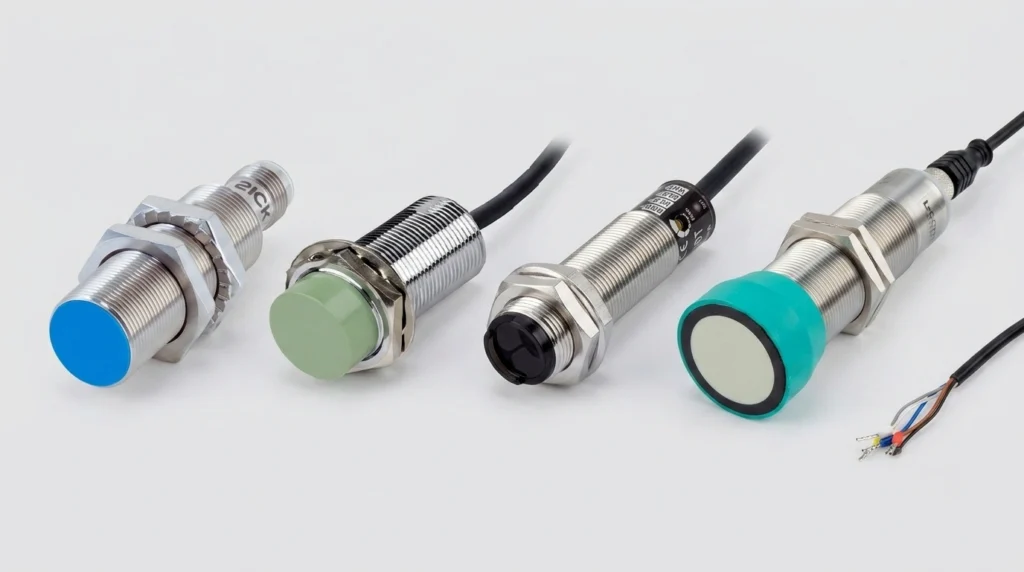
A practical industrial sensors guide covering proximity, photoelectric, ultrasonic, pressure and flow types, wiring, IP ratings, and top brands.
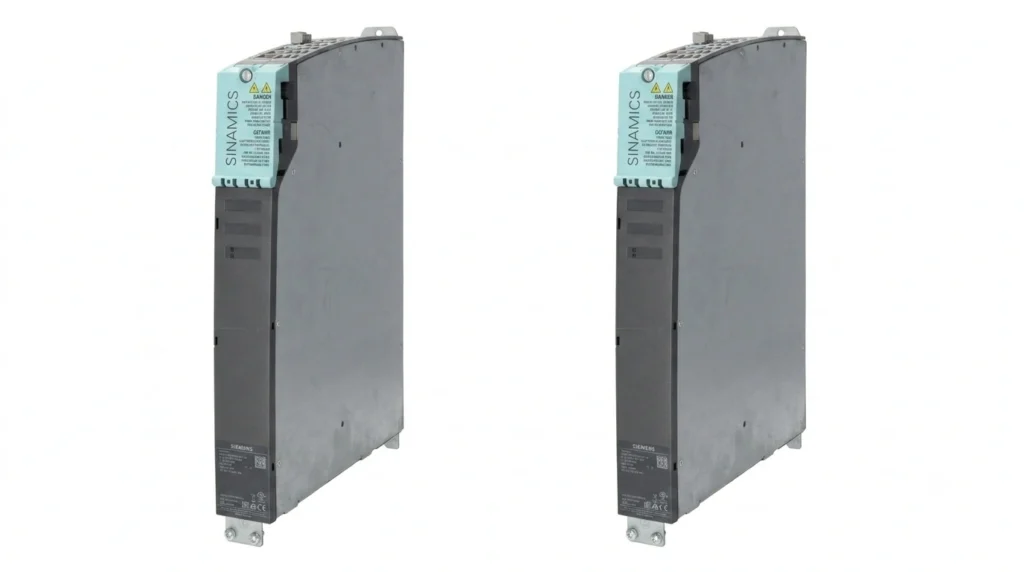
Navigate your Siemens VFD replacements. Decode SINAMICS S120 & G120 modules, configure software, and troubleshoot legacy MICROMASTER 440 fault codes.