

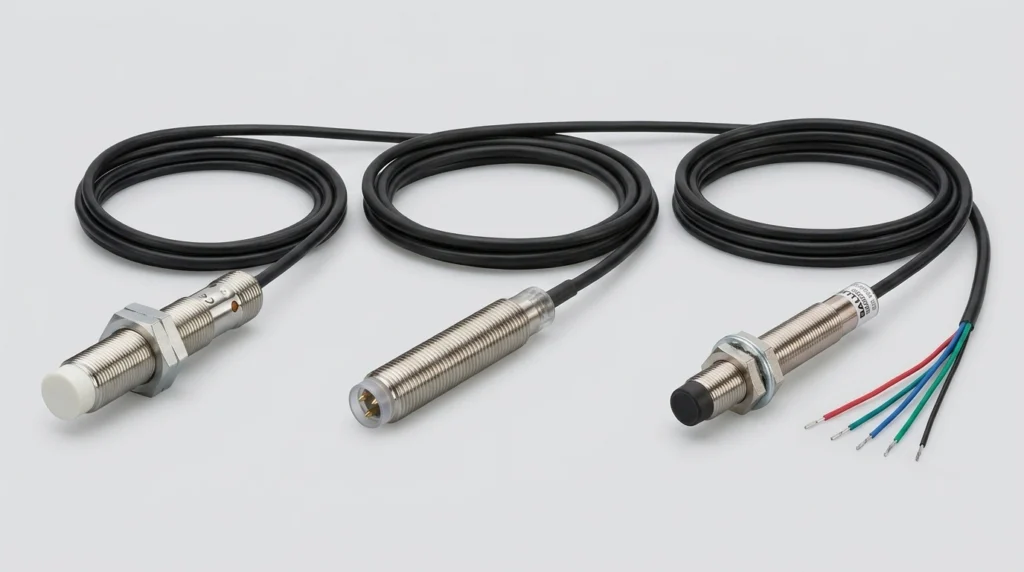
IFM Electronic Sensors: Product Guide for IFM204, BES013N, BES02F0 and IFM Sensor Cables
Master your setup with IFM sensors and cables. Decode the IFM204, clarify Balluff cross-references, check wiring steps, and configure IO-Link masters.
What’s the fastest way to get a failed Siemens SINAMICS 6SL drive back online? Match the exact catalog number to the correct module type first, then confirm compatibility with the existing Control Unit before ordering – guessing at a “close enough” substitute is the most common reason replacement drives fail on install. This guide breaks down the SINAMICS 6SL family, walks through three frequently ordered part numbers, and covers what to check before a purchase order goes out.
A 2025 field-validated study on VFD reliability found that variable frequency drives (VFD) now control close to 40% of industrial motors worldwide – meaning a single wrong part number can take down a meaningful share of a plant’s moving equipment. The same research noted that machine-learning models tested only in lab conditions produced false-positive rates exceeding 30% once deployed on real factory floors, a reminder that theoretical fixes rarely survive contact with an actual production line.
What does this mean for a maintenance team? Predictive tools help, but they’re only as useful as the hardware behind them. A drive that’s correctly specified and properly commissioned is still the foundation everything else builds on.
Cost modeling from the same study estimated an 85% reduction in lifecycle cost when replacements are planned rather than run to failure, with a 564% ROI compared to reactive, break-fix purchasing. Sourcing the right module the first time isn’t just a technical detail – it’s a budget decision.
Not every “6SL” part number belongs to the same product line, and that’s where a lot of ordering mistakes start.
| Series | Role | Typical Use |
| G120 / G120C | Compact standalone drive | Pumps, fans, single conveyors |
| S120 | Modular, multi-axis system | Servo motion, packaging, robotics |
| MICROMASTER 440 (6SE6) | Discontinued predecessor to G120 | Legacy general-purpose lines |
G120: Compact by design. The G120 splits into two purchasable pieces – a Power Module and a Control Unit – which lets a technician replace just the failed half instead of the whole assembly.
S120: Built for coordination. Instead of standalone housings, S120 modules share a common DC bus, with a single Control Unit (often a CU320-2) managing multiple motor modules at once. That’s what makes it the go-to choice for anything requiring several axes to move in sync.
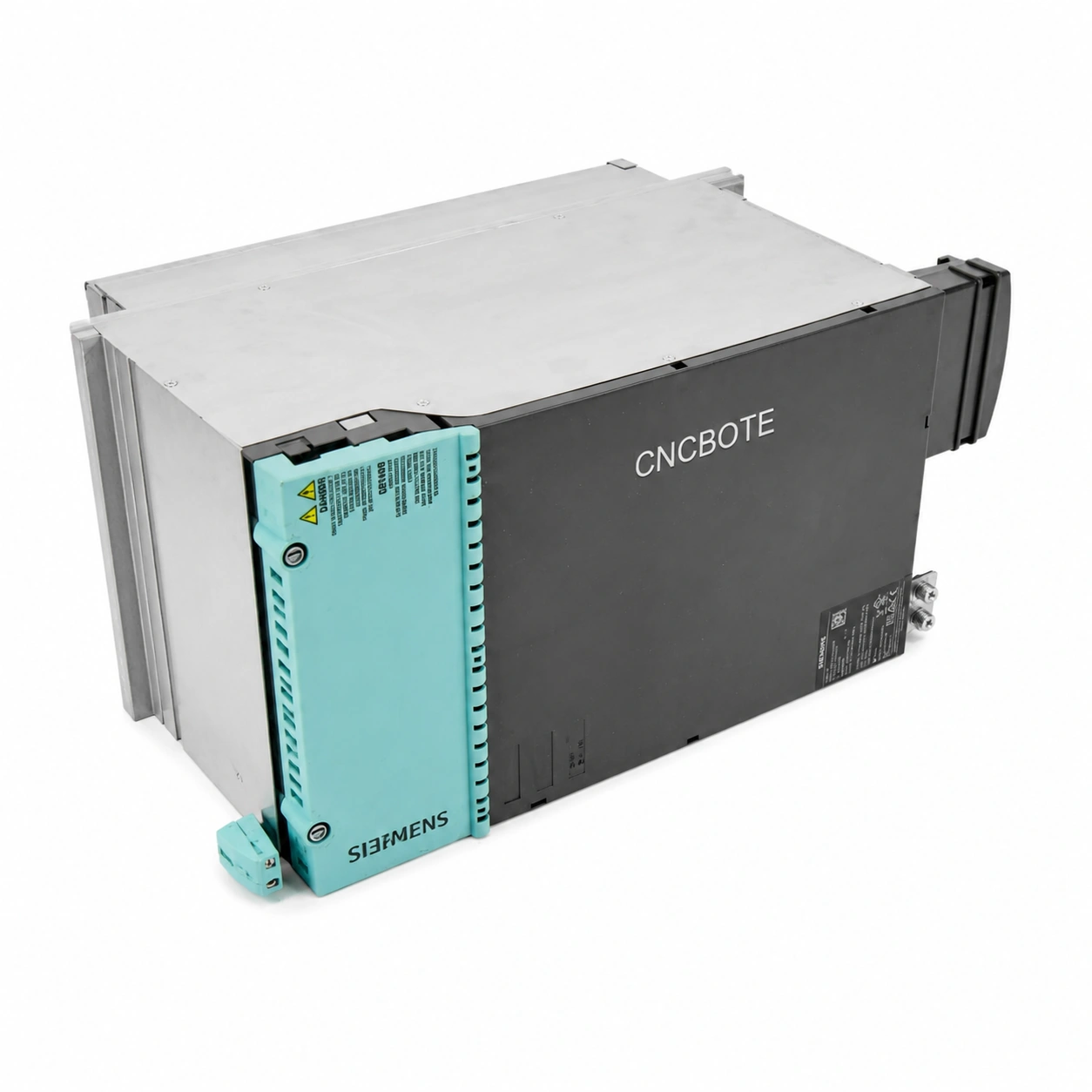
Each of these shows up regularly in maintenance orders, and each belongs to a different spot in the SINAMICS architecture.
6SL3120-1TE21-8AA4 – S120 Single Motor Module. Rated 18 A at 380–480 V off a 600 V DC link, this module drives one motor axis. It depends entirely on a Control Unit and Line Module elsewhere in the system – it will not run on its own, no matter how correctly it’s wired.
6SL3121-1TE28-5AA3 – S120 Double Motor Module. This one drives two axes from a single unit, each rated at 8.5 A. It’s a common sight in dual-axis gantries and twin-conveyor setups, largely because it saves panel space compared to running two single-axis modules side by side.
6SL3225-0BE31-5AA0 – G120 Power Module PM240-2. An 11 kW (15 HP) power module for 380–480 V systems. Pro tip: if the control electronics are still functioning, only the Power Module needs replacing – the existing CU230P-2 or CU240E-2 Control Unit can usually stay in place, saving a full reprogramming session.
Before ordering a replacement, it’s worth ruling out a fixable fault. Three codes account for most MICROMASTER 440 service calls:
Catching one of these early can mean a parameter fix instead of a full module replacement – worth five minutes of diagnostics before assuming hardware failure.
It depends entirely on which generation of drive is installed. G120 units are commissioned through TIA Portal Startdrive, Siemens’ current engineering platform, which folds drive parameterization into the same environment used for PLC programming. MICROMASTER 440 units still rely on the older, standalone STARTER software, which was never integrated into TIA Portal. Teams supporting both generations typically keep both tools installed, since one doesn’t substitute for the other.
Zancot stocks Siemens SINAMICS drive modules – including S120 and G120 series parts – alongside compatible Allen Bradley, ABB, and Schneider Electric components, so plants aren’t stuck cross-referencing multiple vendors mid-outage. For a verified 6SL3120-1TE21-8AA4, 6SL3121-1TE28-5AA3, 6SL3225-0BE31-5AA0, or a MICROMASTER 440 replacement, reach out directly and get the correct part moving before downtime adds up.
Can a G120 Power Module run without a Control Unit?
No. The Power Module handles current output only – the Control Unit manages parameters and communication, and both are required for operation.
Is the MICROMASTER 440 still available new from Siemens?
It’s been discontinued for new designs, with the G120 series positioned as the direct replacement. Existing units can often be sourced through the used and surplus market for one-off repairs.
Do S120 motor modules need matching Line Modules?
Yes. The Line Module supplies DC bus voltage to every motor module connected to it, so voltage class and current capacity both need to line up across the system.
Master your setup with IFM sensors and cables. Decode the IFM204, clarify Balluff cross-references, check wiring steps, and configure IO-Link masters.
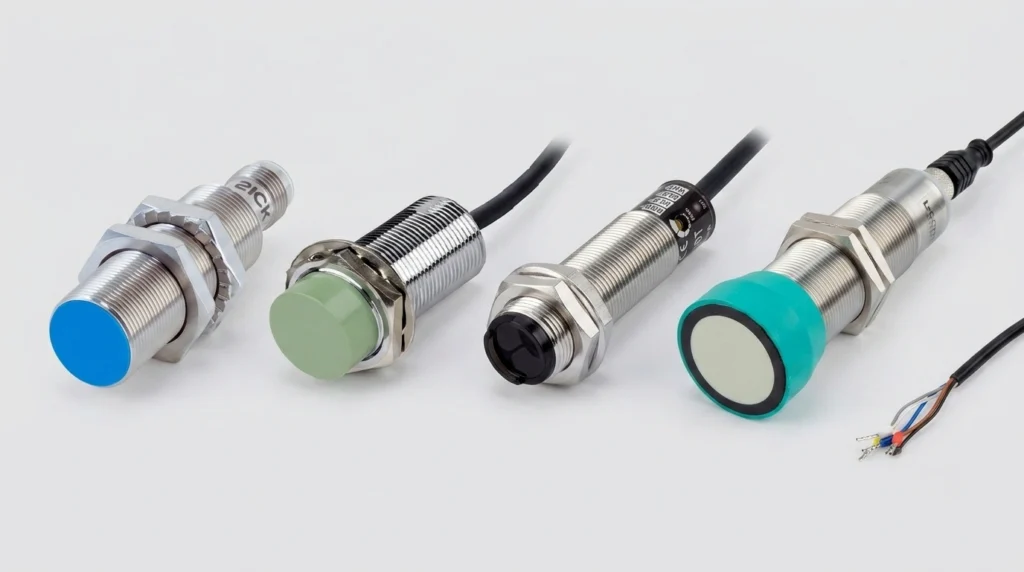
A practical industrial sensors guide covering proximity, photoelectric, ultrasonic, pressure and flow types, wiring, IP ratings, and top brands.
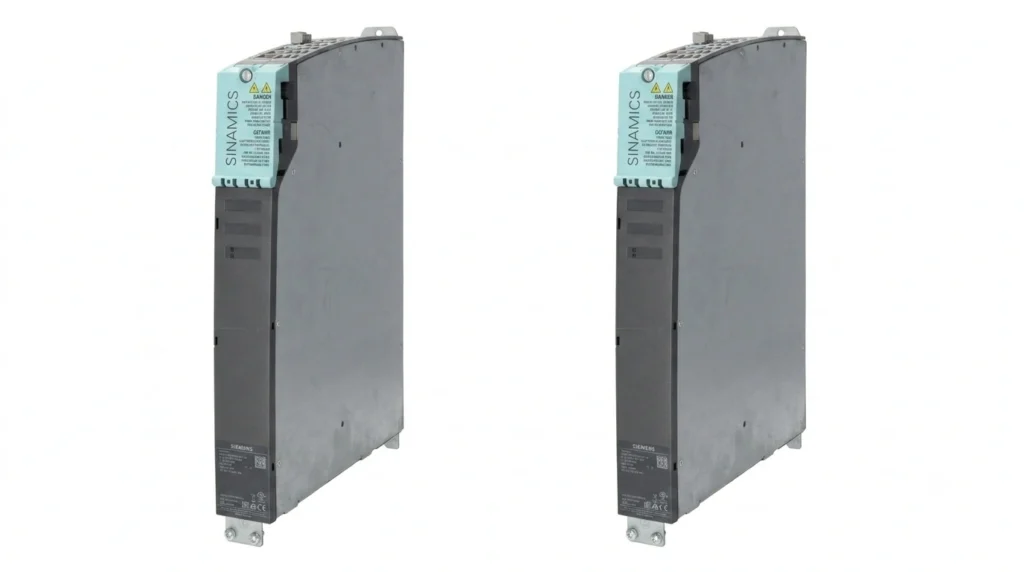
Navigate your Siemens VFD replacements. Decode SINAMICS S120 & G120 modules, configure software, and troubleshoot legacy MICROMASTER 440 fault codes.